
How Fast Does a Golf Buggy Go?
A lot of golfers looking at hiring or buying a golf buggy ask the same question first. How fast does a golf buggy actually go?
The answer depends entirely on the type of buggy you choose. A standard two-seater golf cart will normally be quicker than a single seat golf buggy designed for personal use and mobility around the course.
In most cases, golf buggy manufacturers prioritise safety, comfort and stability over outright speed. Especially for older golfers or players who simply want an easier way to get around 18 holes comfortably.
How Fast Does a Standard Golf Cart Go?
A standard two-seater golf cart will normally reach around 12 to 15 mph from the factory.
According to Club Car, many of their standard golf carts sit comfortably within this speed range, which is more than enough for getting around a golf course safely and efficiently.
Some golf carts can be upgraded through authorised speed settings or specialist modifications. In certain cases, speeds can increase to around 19 to 20 mph.
However, it’s important to remember:
Not every golf club allows higher-speed buggies
Faster speeds may not be suitable on wet or uneven courses
Stability and braking become more important at higher speeds
Insurance and course regulations can vary
Most golfers honestly don’t need excessive speed. Comfort and ease of use tend to matter much more during a full round.
How Fast Does a Single Seat Golf Buggy Go?
Single seat golf buggies are slightly different.
These vehicles are designed more for personal mobility, independence and comfort rather than speed. They’re especially popular with golfers who struggle walking long distances or who simply want an easier day on the course.
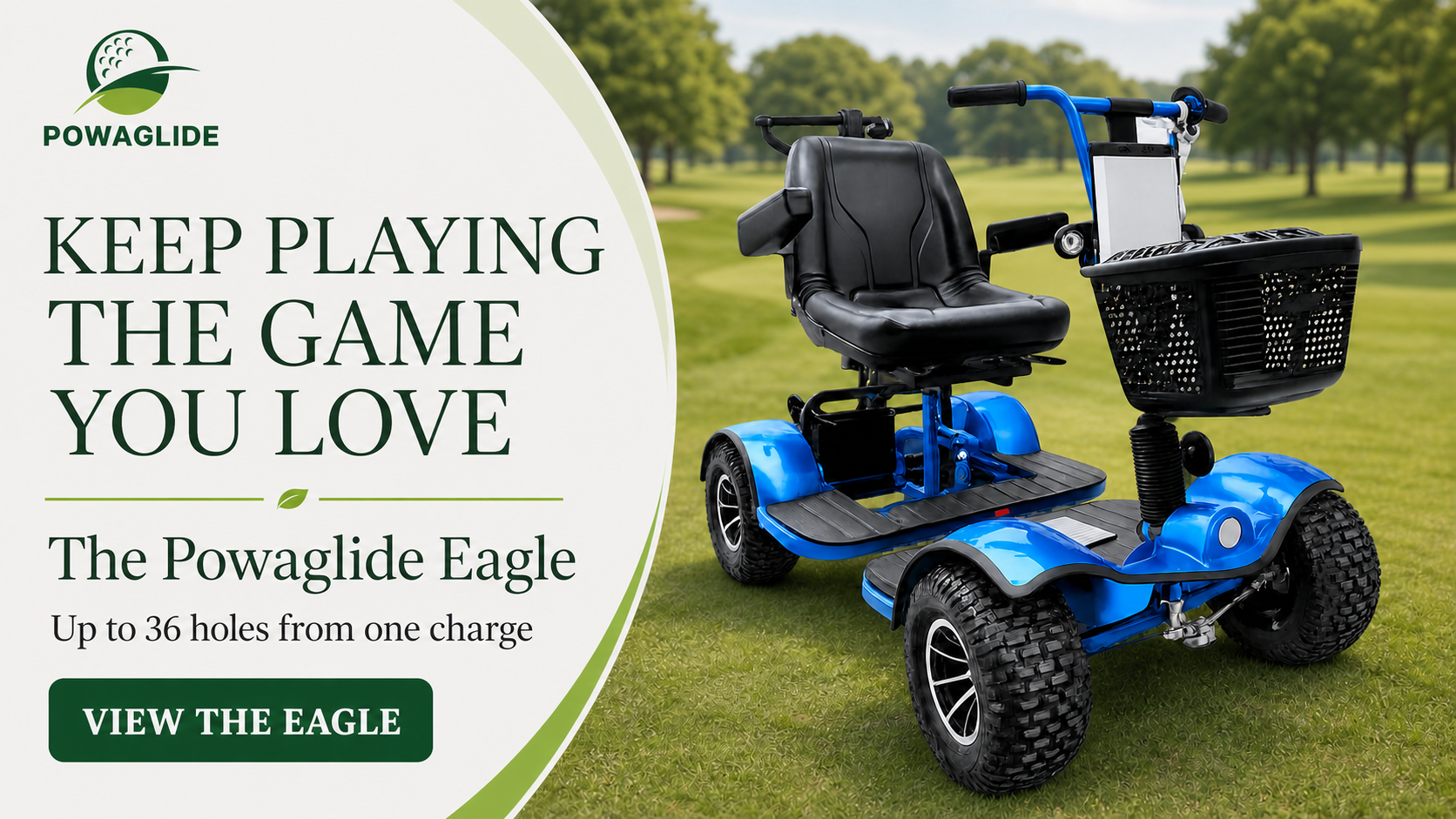
For example, the Powaglide Eagle single seat golf buggy typically has:
A top forward speed of around 10 mph
A reverse speed of around 4 mph
A slower transport mode of roughly 3 mph for loading into vehicles or manoeuvring carefully
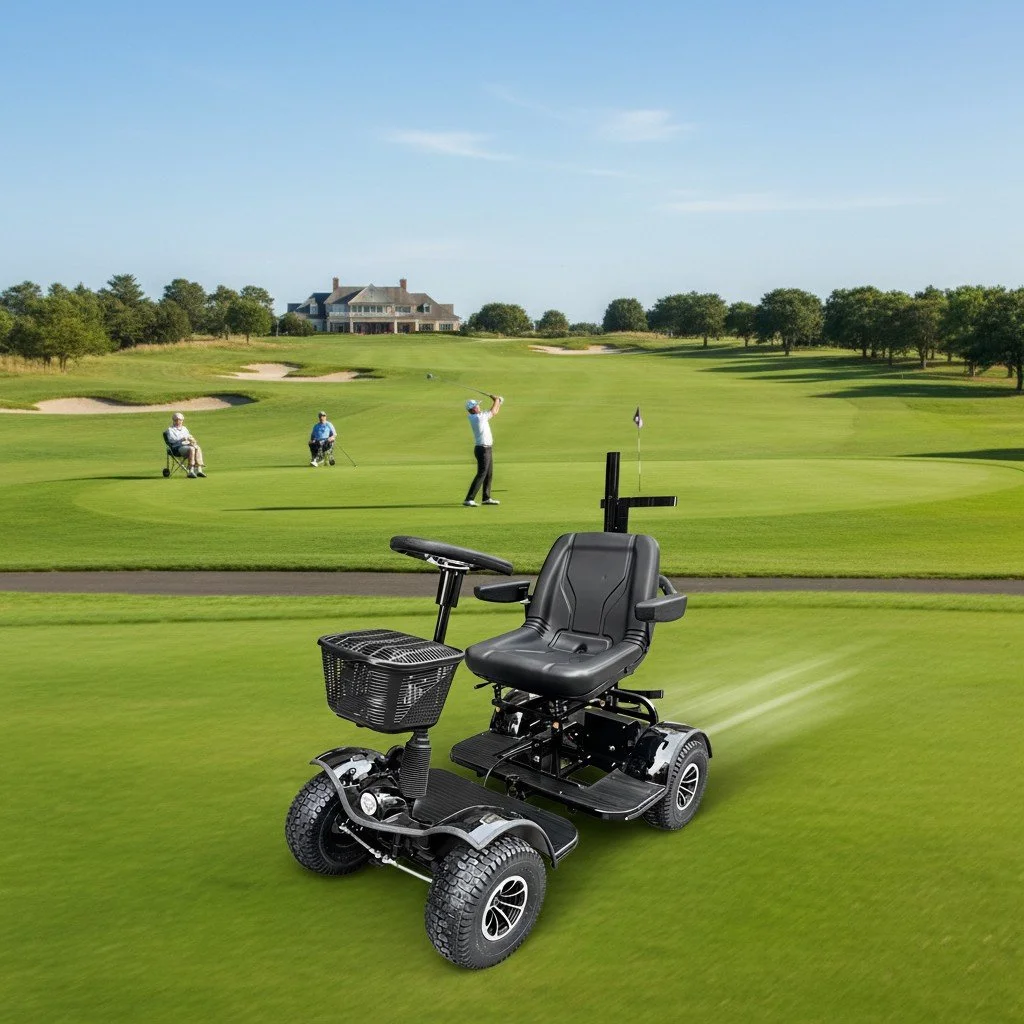
In my opinion, this sort of speed is ideal for most golfers. You move around the course comfortably without the buggy feeling unstable or difficult to control.
Single seat golf buggies are usually built with:
Stability in mind
Easy steering controls
Smooth acceleration
Safe handling across different terrain
For many golfers, especially older players, that matters far more than trying to go as fast as possible.
What Affects Golf Buggy Speed?
Several things can affect how fast a golf buggy performs.
Battery Condition
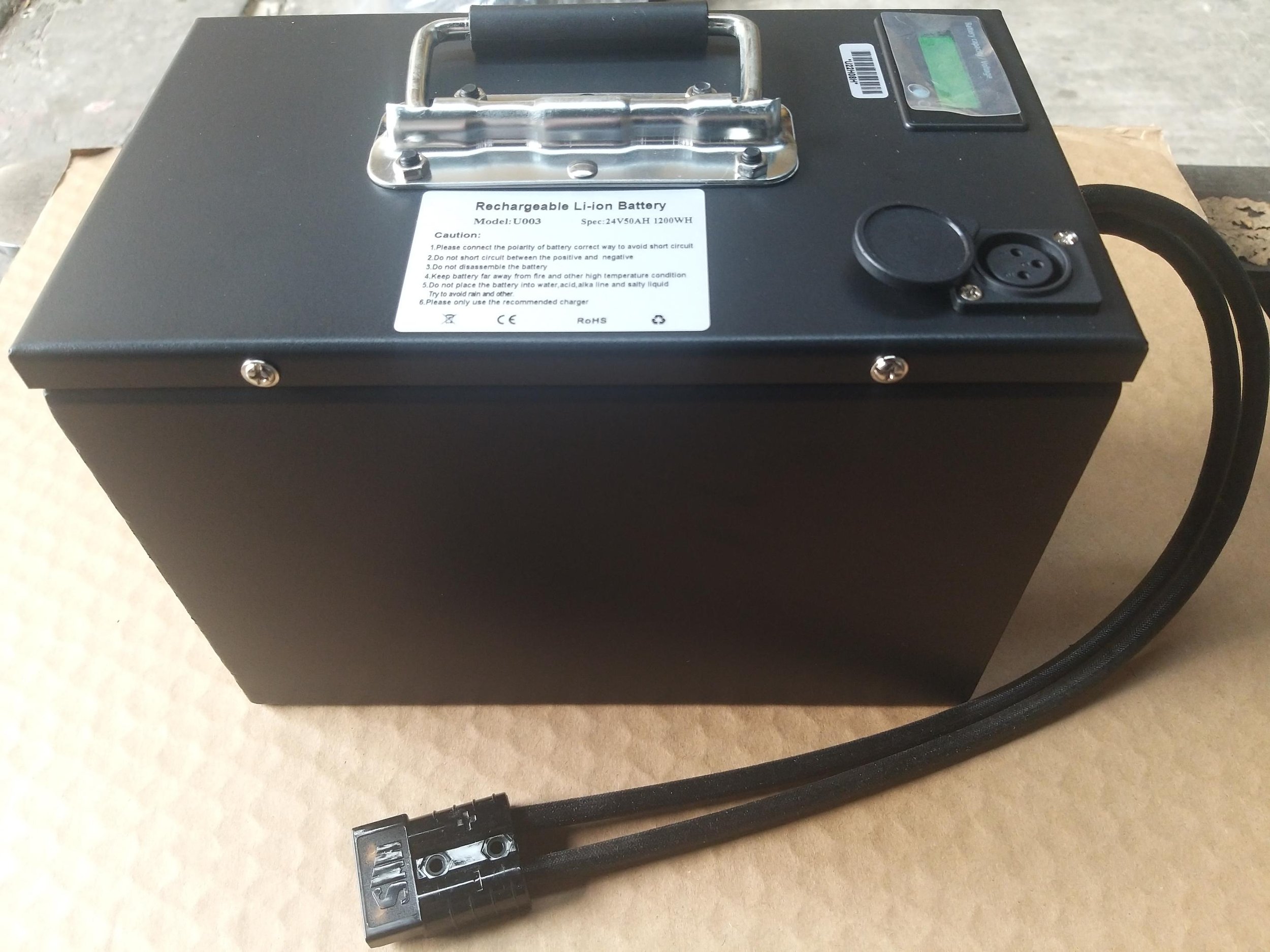
One of the biggest factors is battery health.
Older or weaker batteries often reduce acceleration and overall speed. If a buggy feels sluggish, the battery is usually one of the first things worth checking.
Powaglide supplies replacement golf buggy batteries for many popular models, helping older buggies maintain proper performance and reliability.
Terrain and Weather
Golf buggy speed can change depending on:
Wet ground
Steep hills
Rough terrain
Soft fairways
Heavy loads
A buggy that reaches 15 mph on flat paths may naturally travel slower uphill or during winter conditions.
Weight and Passenger Load
Two-seater golf carts carrying two golfers, clubs and accessories will often perform differently compared to a lightweight single seat buggy.
Extra weight places more demand on the motor and batteries.
Can You Increase the Speed of a Golf Buggy?
In some cases, yes.
Certain golf carts can be upgraded using manufacturer-approved speed settings or specialist modifications. Some owners also look at improving batteries or motor performance.
However, speed upgrades should always be approached carefully.
You should consider:
Golf club rules
Safety regulations
Stability of the buggy
Braking performance
Insurance requirements
Not every buggy is designed to operate safely at higher speeds.
For personalised one-seater golf buggies, specialist repair workshops may be able to inspect the buggy and advise whether performance improvements are possible.
Sometimes the issue isn’t the speed limiter at all. It may simply be worn batteries, ageing electrical parts or servicing requirements reducing performance.
Final Thoughts
Golf buggy speeds vary depending on the type of vehicle you choose.
A standard golf cart will usually reach around 12 to 15 mph, while many single seat golf buggies operate closer to 10 mph for safer personal use on the course.
For most golfers, especially older players, comfort, reliability and stability are far more important than outright speed.
If you’re looking for a reliable single seat golf buggy, replacement batteries, accessories or repair services, Powaglide offers a wide range of products designed to make getting around the golf course easier and more enjoyable.